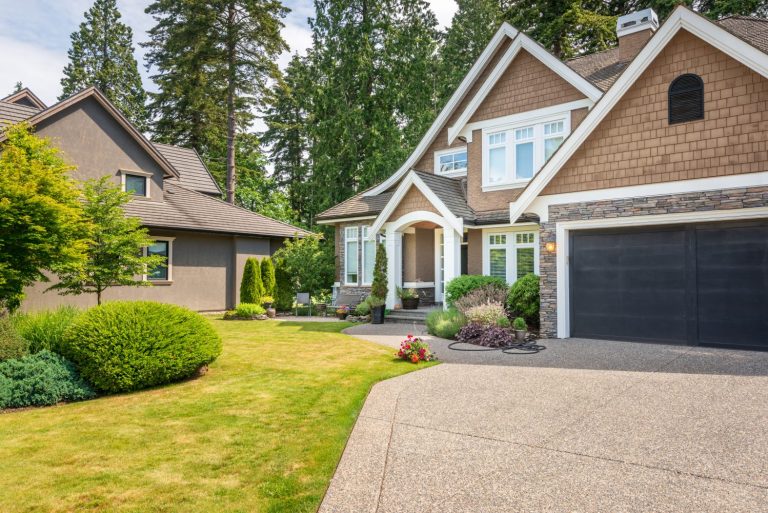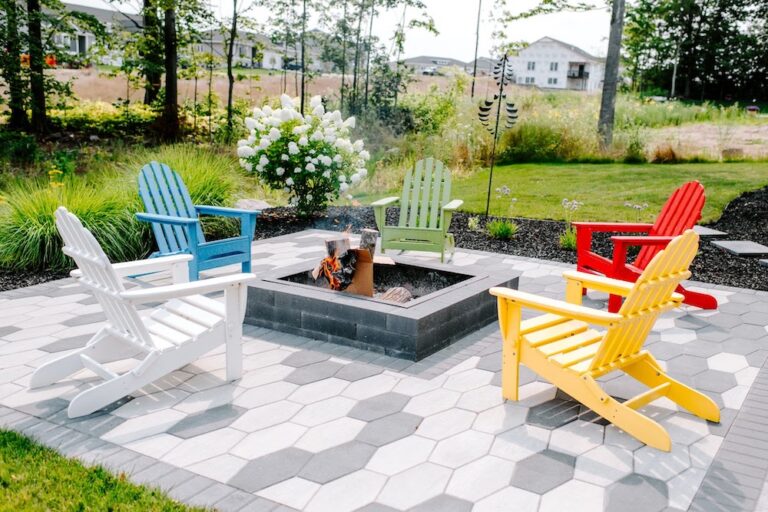
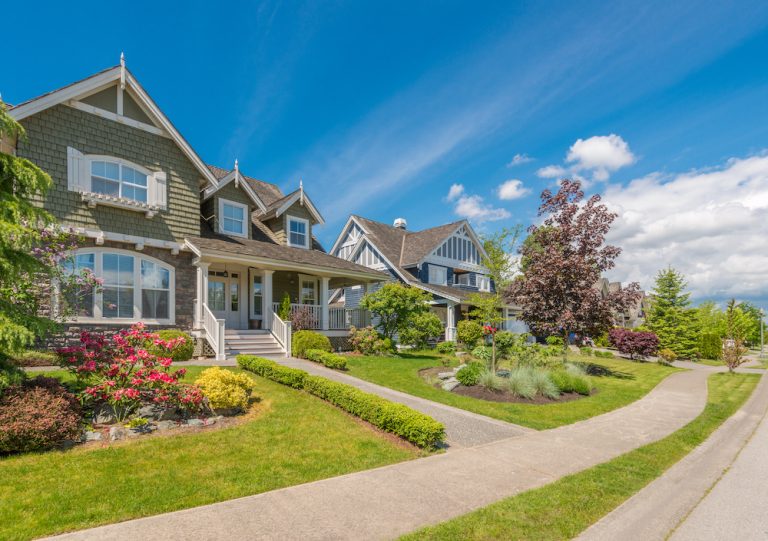
There’s no doubt about it—the first thing you notice about a home is its yard. Whether you admire the pristine lines of someone’s freshly mown lawn in the summer or the 12-foot skeleton on display in the autumn, your front yard draws attention from passing traffic, morning joggers, and of course, house guests.
Realtors like to use the term curb appeal to describe the attractiveness—or lack thereof—of a front yard. After all, the front of a house is the first thing people see on Zillow and other real estate sites. But whether or not you are selling your house, the right landscaping can boost your home’s curb appeal—and even its value. So even if selling your house isn’t on the horizon, investing in your yard now can have a big payout later. Your future self will thank you for your foresight!
In this blog, we’ll cover some simple curb appeal landscaping tips. These changes are as simple as installing low-maintenance plants, tweaking your irrigation systems, or adding a few extra accents. That way, you can create a front yard that not only wows passersby but leaves you feeling more confident about the value of your home.
What is Curb Appeal?
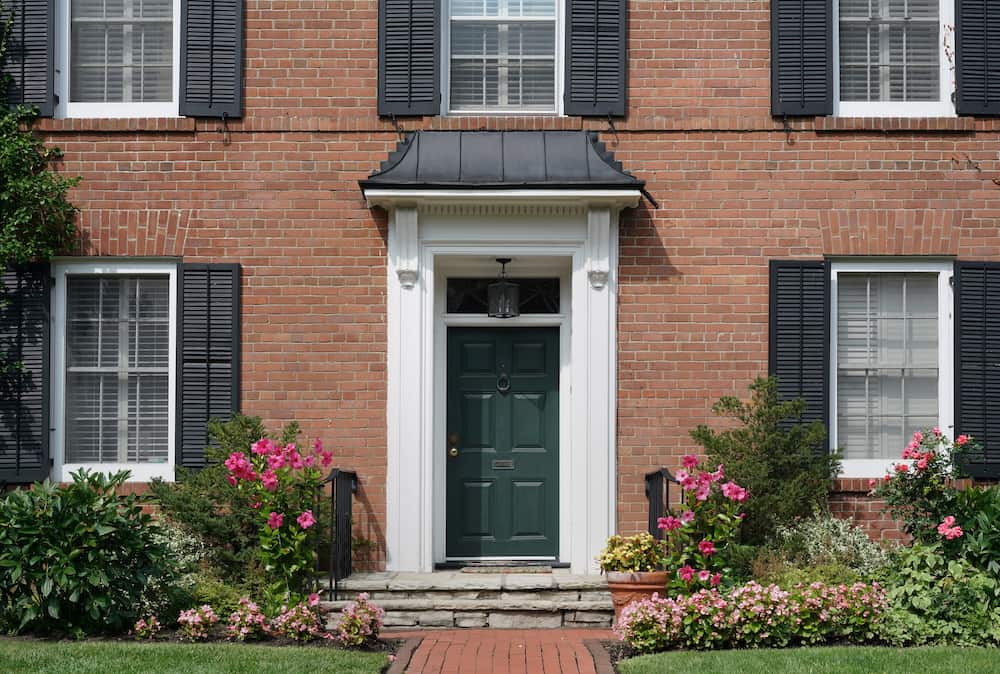 Curb appeal is the attractiveness of your home or landscaping to a homebuyer or general passerby. Before the sale of a house, realtors will often make suggestions to the current homeowner on how to boost their curb appeal. These suggestions can include a fresh coat of paint on the house, the removal of dying plants or shrubs, or a new layer of mulch in the garden. Small changes like these can mean a lot when it comes time for an open house.
Why is Curb Appeal Landscaping Important?
Your yard is your home’s first impression, whether you are inviting guests over or opening your home up to potential buyers. It can mean the difference between a buyer scheduling a tour of your house or passing it by. The inside of your house might be pristine and perfect, but if your shrubs are overgrown, your pathway is cracked, and your lawn is brown, you may have a difficult time getting people to see the value of your home.
Just a few small changes to your landscaping can increase the value of your home by 7%. If you’re looking to sell your home now or simply continuing to invest in it, follow our simple curb appeal landscaping tips to boost your confidence in your front yard!
Curb Appeal Landscaping Tips
Opt for Low-Maintenance
A gorgeous lawn doesn’t have to break the bank—or your back. Low-maintenance landscaping can look beautiful when you choose the right colors, textures, and styles for your home.
Plants. Low-maintenance plants are hardy and don’t require excessive watering or pruning. Look for hollies, hydrangeas, and ornamental grasses if you are looking for classy landscaping without the sweat equity. Depending on how much sun and water your yard gets, you can choose annuals and perennials that will thrive in your environment. When you visit the nursery, be sure to pay attention to each plant’s guidelines for the best time to plant, how deep to plant it, and how tall it might grow. Plant height matters—we’ll get to that later!
Mulch. Natural mulch breaks down over time, meaning it becomes instant plant food! Mulch also doesn’t require any watering and can retain water for your thirsty plants. Consider a mulch bed for the perimeter of your house, as it can help keep your foundation dry as well. It’s low-maintenance because it typically only needs to be replaced every 1-2 years unless it starts to thin out or mold.
Rocks. Gravel walkways and plant beds can absorb water back into the soil and keep your plants replenished—and your walkways dry. However, rocks have a few drawbacks. Foot traffic can track small pebbles and gravel into the house or grass, and most rock-based walkways will require a fabric base underneath to prevent the soil from settling beneath your pathway.
Irrigate Wisely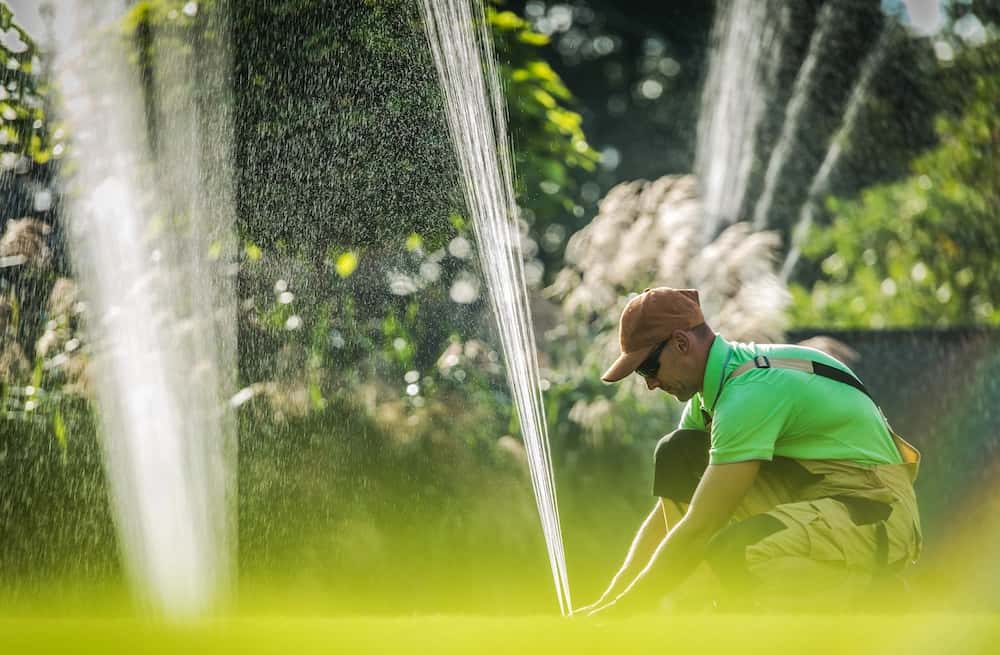

No one likes unsightly brown patches or dead plants in their front yard—especially not a potential home buyer. While an in-ground irrigation system can add value to your home, setting a regular watering schedule and rotation is what will keep your lawn looking fresh and green.
Find the best option. You’ve got plenty of irrigation options to choose from, but they’re not all built equally. You will want to consider how absorbent your soil is, how much water your plants need, and how reliable your drainage system is. The better you understand your lawn, the greener your grass will be!
Set a schedule. Whether you water your lawn manually or automatically, stick to a schedule. It’s best to water your greenery in the cooler, shadier parts of the day so the water doesn’t immediately evaporate.
Think water-smart. Permeable patio material, rain gardens, and lawn grading can all play a factor in how much water your lawn gets. The more water-smart your lawn, the more evenly irrigated it will be. You might find your water bill goes down, too!
Follow the Odd-Number Rule
The human eye is drawn to patterns that look natural, especially when it comes to landscaping. When planting trees, shrubs, or flowers, follow the odd-number rule that every landscaping pro knows. An even number of plants will register to the human eye as manmade. This is fine if you want a more formal, elegant look for your yard, but most homeowners want their landscape to flow as naturally as possible. Odd numbers of plants contribute to that flow.
Use the Right Edging Material
 Using edging in your landscaping can add clean, crisp lines between plants or mulch and grass. It can make your lawn look tidier and can help you layer more mulch into your flowerbeds. Edging material comes in all shapes and sizes, so you’ll have the perfect style for your home.
Brick and stone. Brick and stone edging can look more natural and look great in front of neutral-colored homes. Stone is an especially dynamic material since it can be installed in straight lines and curves.
Metal and aluminum. Metal and aluminum edging is durable and stylish. It typically comes in long, flexible rolls or interlocking parts.
Plastic and rubber. Rubber and no-dig plastic are popular, more utilitarian edging materials. While they aren’t the prettiest, they won’t draw attention away from your beautiful flowerbeds or green lawn. No-dig plastic edging is easy to install, while rubber edging is eco-friendly and can prevent excess weed growth.
Retaining walls. While more involved than a simple edging project, consider adding dimension to your landscape with retaining walls. With the help of an expert contractor, a retaining wall is a simple way to (literally) elevate the style of your home and might even protect your home’s foundation.
Color Coordinate Like A Pro
Everyone loves a pop of color in the front of their house, whether you prefer hanging baskets full of annuals or bright green trees and shrubs. Here are a few tips for color coordinating like a pro to make your house look like the cover of a magazine.
Use the color wheel. Look up a color wheel on your phone or print a copy while planning your front yard. Choose plants that are the opposite color from your house for a nice accent. Not only does this make your plants pop, but it also draws the eye to your beautiful home as well! Color wheels are also helpful for coordinating different types of flowers in your garden for a cohesive look.
Match cool and warm colors. If you’re not looking for colors that pop, consider your house’s paint color. Is it a cool color, like gray or blue? Or is it warm, like brick or burgundy? When you match the colors of your plants with your home, it creates a unified look. Experts say to use a repeatable color in your garden that matches your house paint. For example, if your house is white, use splashes of white or neutral flowers and grasses throughout your garden design.
Consider Plant Height
Varying the height of your plants and trees can create the illusion of more space in your yard as well as provide shade and additional ground cover where you need it. However, there’s a right and a wrong way to vary the height of your plants!
- Do consider how tall plants and trees will become if you buy them as saplings or seedlings.
- Do plant trees or shrubs for privacy and noise cancellation at the perimeter of your property.
- Do plant tall plants (and sometimes small trees) at the corners of your house.
- Do plant your shortest plants by the front door. This draws attention to your welcoming front porch!
- Don’t plant tall greenery or shrubs in front of windows, especially if they get higher than 3 or 4 feet.
- Don’t only consider plant height, but also plant spread. For example, butterfly bushes not only grow tall (up to 10 feet) but will also grow in an arching pattern and can be over 5 feet wide.
Add Stone Accents
Stone accents are a simple way to elevate your curb appeal landscaping. We’ve already talked about using stone as edging material, but you can use it for so much more. Add stones to a succulent or drought-resistant flower bed. Consider a winding stone path that leads to your backyard. Or simply add large stones and boulders to create a very low-maintenance rock garden. The possibilities are endless, and there’s no need for a trip to the home improvement store. Naturally occurring rocks and stones can easily do the trick.
Create Curb Appeal Landscaping That Will Make Heads Turn
In this blog, we covered a few simple steps you can take to improve your home’s curb appeal.
Whether you need to update your edging or add colorful accent flowers, your landscaping can play a huge role in how attractive your home looks. But you’ll have so many more possibilities when you hire a landscape contractor. Imagine a freshly redesigned walkway up to your welcoming front door or a new layer of sod laid down on your tired lawn. Torchwood Landscaping has helped families in West Michigan boost their curb appeal landscaping—and the value of their homes—for years. We can help you transform your yard, too, and create a landscape that will make every head turn. Contact us for a free, no-obligation consultation today!